
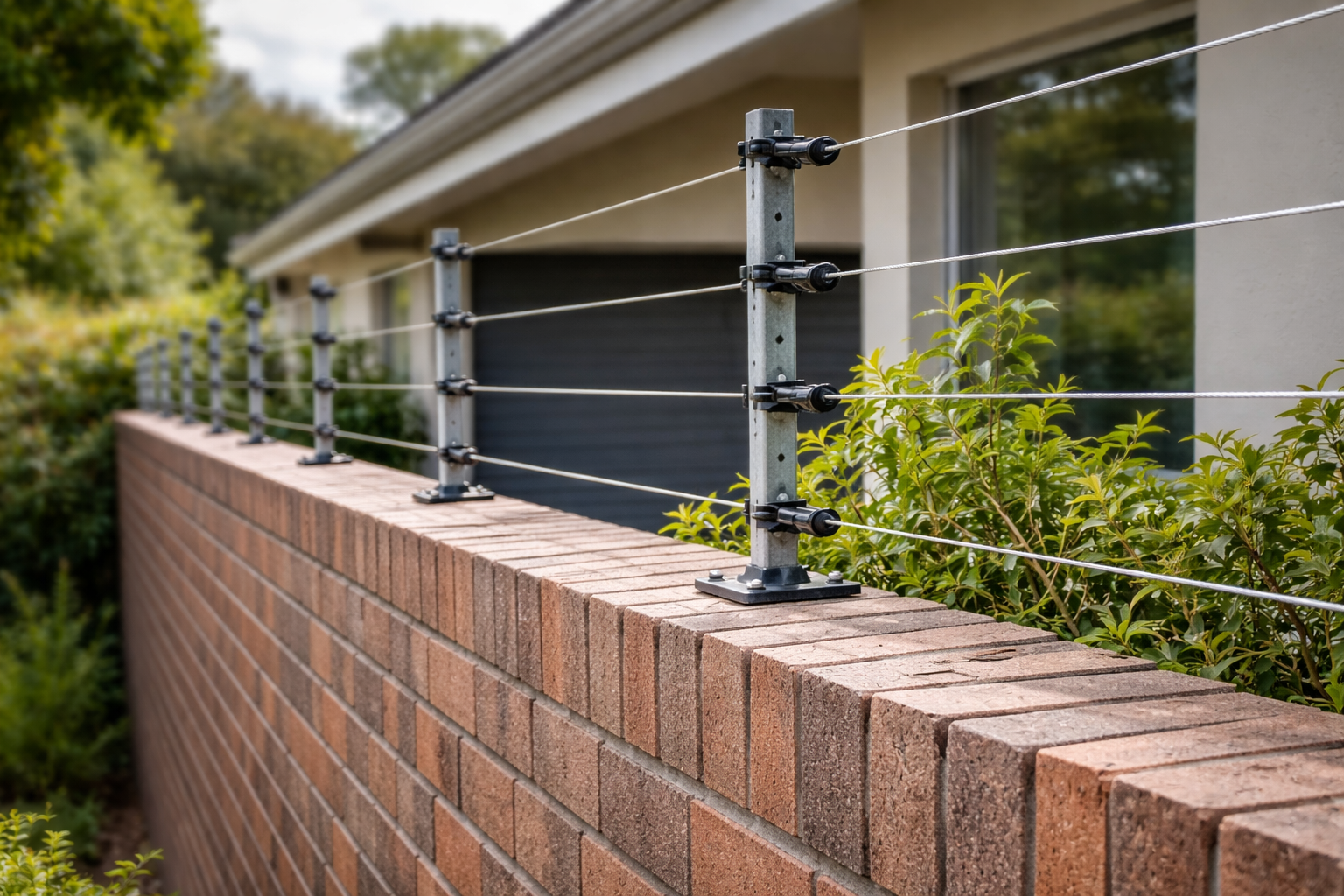
An electric fence that suddenly stops working is not just an inconvenience, it’s a security risk. Many homeowners only realise there’s a problem when the alarm stops triggering, the energizer goes silent, or the system shows low voltage.
Electric fencing is designed to be one of the most reliable perimeter security systems available. But like any system, it depends on proper installation, stable power, and regular upkeep. When one part fails, the entire fence can lose effectiveness.
What makes this frustrating is that the fault is not always obvious. A fence can look completely fine but still not deliver the level of protection it should.
If your electric fence is not working properly and you’re unsure what’s causing it, Cape Fencing & Steel can inspect the system and restore it to full performance.
Get Your Electric Fence Repaired
Fill in the form and we will come to inspect your eletric fence for repair.
The Most Common Reasons an Electric Fence Stops Working
Electric fencing works as a complete system. The energizer sends pulses through the wires, the wires carry the voltage, and the earthing system completes the circuit when contact is made.
When any part of that chain is disrupted, the system loses effectiveness.
The most common causes include:
- A faulty or failing energizer that is no longer delivering consistent voltage
- Power supply issues, including tripped breakers or disconnected mains
- A flat or worn-out battery backup, especially after repeated load shedding
- Broken, loose, or corroded wires along the fence line
- Vegetation touching the wires, which drains voltage continuously
- Poor earthing, reducing the strength of the shock
In many cases, the issue is not a complete failure but a gradual drop in performance. This is why some fences still “work” but don’t actually provide real protection.
How Voltage Loss Affects Your Security
Voltage is the most important part of an electric fence. It determines how effective the system is at deterring intruders.
When voltage drops, the fence may still trigger alarms, but the shock becomes weaker. This reduces the deterrent effect and makes it easier for someone to bypass the system.
Voltage loss is often caused by small issues along the fence line. A single plant touching the wire, a loose connection, or a damaged insulator can affect the entire system.
Because the fence operates as a loop, one fault can impact everything.
Why Vegetation Is a Bigger Problem Than Most People Think
One of the most overlooked causes of electric fence failure is vegetation.
Grass, branches, and shrubs that grow into the fence wires create a constant drain on the system. Instead of delivering full voltage across the fence, energy is lost into the plant material.
Over time, this reduces performance significantly.
This is especially common in areas where plants grow quickly or where regular maintenance is not done. Even small contact points can have a noticeable impact on voltage.
Keeping the fence line clear is one of the simplest ways to maintain performance.
The Role of the Energizer and Battery
The energizer is the heart of the electric fence system. It generates the pulses that travel through the wires.
If the energizer is faulty, underpowered, or incorrectly installed, the entire system will struggle to perform.
The battery backup is just as important. During load shedding, the system relies entirely on the battery. If the battery is weak, the fence may stop working completely or lose voltage during outages.
In many homes, the battery is one of the first components to fail, especially with frequent power cuts.
Replacing the battery often restores the system to normal operation.
Simple Checks You Can Do Before Calling a Technician
Before assuming the system has failed completely, it helps to check a few basics.
- Make sure the energizer has power and is switched on
- Check if the battery is still holding charge
- Walk along the fence line and look for broken or loose wires
- Clear any plants or debris touching the wires
- Listen for irregular or inconsistent clicking from the energizer
These checks can often point to the source of the problem and help you understand whether the issue is minor or requires professional repair.
When the Problem Isn’t Obvious
Some electric fence issues are not visible to the naked eye.
Faulty earthing, internal energizer problems, or hidden cable damage require proper testing equipment to diagnose. In these cases, the fence may appear to be working, but voltage levels are too low to be effective.
This is where many homeowners are misled. The system looks fine, but it is not doing its job.
A proper inspection measures voltage levels, checks the full circuit, and identifies faults that are not immediately visible.
Why Professional Installation and Maintenance Matter
Electric fencing is not just about putting up wires. The system needs to be correctly installed, properly earthed, and regularly maintained to perform as expected.
Shortcuts during installation or neglect over time often lead to recurring problems.
A well-installed system, combined with occasional maintenance, can operate reliably for years with minimal issues.
If your electric fence keeps losing voltage or is not performing as it should, it’s best to have it checked before it becomes a serious security risk.
Book an Electric Fence Repair
Fill in the form and we will come to inspect your eletric fence for repair.
Conclusion
An electric fence that is not working properly is usually caused by a specific issue rather than a complete system failure.
In most cases, the problem comes down to power supply, vegetation, wiring faults, or battery performance. These are all issues that can be identified and fixed with the right approach.
Understanding how your electric fence works and what affects its performance helps you act quickly and maintain reliable security around your property.